
You searched for "hearing"
In conversation with Dr Eugene Myers: Education, training, and leadership in the modern era
It is an honour to hear from Dr Eugene Myers, who shares his experience with us, and his opinions and advice on the current circumstances for training and trainees. His energy, vitality and work ethic in his late 80s are...
Predicting the need for salvage laryngectomy
The treatment of laryngeal cancer has seen a shift towards organ preservation strategies with non-surgical treatment offering equivalent survival outcomes. Nonetheless, salvage total laryngectomy (SLT) remains an important curative management option in cases of treatment failure or recurrence. The authors...The role of YO-IFOS in enhancing collaboration between young physicians in Europe
Young ENT surgeons realise the importance of international collaboration – we hear about a group that was formed just 18 months ago. During the meeting of the International Federation of Otorhinolaryngological Societies (IFOS) in 2017 in Paris, a group for...
Surgical indications for infantile haemangiomas
Infantile haemangiomas are embryonal tumours and represent the most common tumour of infancy, with an estimated incidence 4-5%. There is well-described natural history, usually becoming apparent in the first few weeks of life and proliferating rapidly in the first few...Join BIOHIT HealthCare at the ENT UK and YCOHNS 2025 Annual Meeting
BIOHIT HealthCare will be attending this year’s ENT UK and YCOHNS Annual Meeting on the 26th and 27th of June. These conferences will take place back-to-back at IET Birmingham, bringing together leading experts in ENT surgery and otorhinolaryngology to discuss...
Button batteries – how can we reduce harm to children?
This article explores the history of button batteries and how clinicians and industries alike could reduce the harm to children following ingestion. Following ingestion, if lodged, button batteries cause an alkaline reaction leading to necrosis of mucosa. Significant oesophageal injury...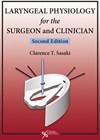
Laryngeal Physiology for the Surgeon and Clinician – Second Edition
This second edition is a short (110 pages), succinct and concise book. I don’t usually like reading physiology textbooks, but I found this one very interesting. It is written in a manner which is easy to read and digest. It’s...2nd UEP/BLA Joint Meeting
After the success of last year’s inaugural joint meeting in London between the British Laryngological Association (BLA) and the Union of the European Phoniatricians (UEP), the two bodies are coming together again in the charming city of Zagreb, the capital...Papzimeos: a major advance in treating adult recurrent respiratory papillomatosis
Since the beginning of our specialty, generations of patients and surgeons have faced the challenging clinical problem of recurrent respiratory papillomatosis (RRP). Driven by a persistent and chronic infection with low-risk human papillomavirus (HPV) types 6 or 11, it is...A guided tour of the new thyroid nodule guidelines
The 2026 consensus updates thyroid nodule management with clearer risk assessment, tailored biopsy decisions and more consistent follow-up strategies. Setting off: why do we need new signposts? The management of thyroid nodules is familiar territory for many clinicians, but the...


