
You searched for "sounds"
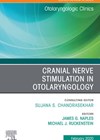
Advances in neural stimulation of the auditory pathway
This article reviews the use of neuroprosthetic devices such as cochlear and auditory brainstem implants (ABI) to stimulate the auditory pathway, discussing the successes, limitations and advances in this area. Currently, neuroprosthetic devices deliver electrical impulses to the cochlear nerve...
Semicircular canal dehiscence and cochlear implantation
Semicircular canal dehiscence (SCD) is thought to occur in 3% of the population, it is mostly asymptomatic, but patients may present with sound-induced vestibular symptoms, low-frequency conductive hearing loss, autophony, hyperacusis and aural fulness. With the increasing utilisation of cochlear...Simulation: human factors scenario training
It is said that surgical training has suffered as a result of a combination of factors – through the introduction of work time restrictions such as the European Working Time Directive (EWTD) [1], a limit on the number of years...Global audiology during COVID-19
The COVID-19 pandemic has affected, and in some areas, put a complete hold on, audiology practice around the world. In April 2020, during the peak of the pandemic for many regions, our audiology Global Ambassadors provided their reports from their...Are today’s implantable hearing devices better than conventional devices for patients with conductive and mixed hearing loss?
In March 2014, we published a paper in ENT & Audiology News, with a similar title. Below, an updated overview is presented of available devices (early 2021) for patients with conductive/mixed hearing loss. The focus is on effectiveness. Patients with...Sentio™ System – an active transcutaneous bone conduction hearing system from Oticon Medical
As bone conduction technology advances, implant options continue to improve; here, the Sentio™ System is outlined, including indications, surgical technique and aftercare. Bone conduction hearing aids (BCHA) are an established management option for adults with conductive (CHL) or mixed hearing...Audiology in this issue...Autism
Alex Griffiths-Brown, BSc(Hons), MRes, Audiologist, The Shrewsbury and Telford Hospitals NHS Trust, Shrewsbury, UK. E: alex.griffiths-brown@nhs.netTwitter: @griffithsbrown1 As audiology professionals, we will work with a wide variety of patients with different priorities, life experiences and challenges. Patients with autism spectrum...Find Your Quiet Place challenge
SoundPrint is a crowdsourcing app that does two things. First, it enables users to measure noise levels in public places to check the venue is safe and comfortable for hearing. Second, it provides a database of over 130,000 venues to...
Hyperacusis and Disorders of Sound Intolerance: Clinical and Research Perspectives
Hyperacusis and other forms of decreased sound tolerance (DST) is an area that many ENT/audiological colleagues would deem as ‘woolly’. This is due to a lack of understanding behind the mechanism of the symptoms, a lack of evidence-based assessment tools...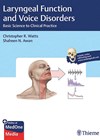
Laryngeal Function and Voice Disorders
This is a detailed, 323-page resource covering laryngeal function and voice disorders, basic science and clinical assessment. Spanning nine chapters, the authors cover the anatomy and physiology of phonation, survey of voice disorders, voice diagnostics, acoustic analysis, aerodynamic analyses, endoscopy...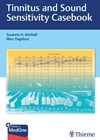
Tinnitus and Sound Sensitivity Case Book
This book, as the title suggests, is full of case studies written by health wprofessionals involving patients who are experiencing tinnitus and/or sound sensitivity. There are 29 different case studies spanning both adults and paediatrics (though mainly adults). Each case...


