
You searched for "future"
Gene therapy restores baby’s hearing
The guest editor of a forthcoming supplement for ENT & Audiology News has helped enable a baby girl born deaf to hear unaided for the first time.Using telehealth to engage teenagers
Can we use a teenager’s love of gadgets to re-engage them with their hearing technology? Gwen Carr reports on an innovative use of telehealth to support teenagers who are no longer visiting their hearing healthcare professionals. Parents of children and...Collaborating with patients on research priorities in hyperacusis: the James Lind Alliance project
An innovative and inclusive approach to the identification and prioritisation of research questions is to place the views of patients at the heart of the process, and in partnership with clinicians. The application of this to hyperacusis is described by...CGHH announces plans to donate audiology equipment
The Coalition for Global Hearing Health (CGHH) has announced plans to offer several full-size diagnostic audiometers, hearing aid programming hardware, and miscellaneous supplies for donation to CGHH Members that provide humanitarian services to improve hearing healthcare services in low- or...All change at British Tinnitus Association
David Stockdale, the Chief Executive of the British Tinnitus Association (BTA), will step down from the charity in June 2022 after 12 years at the helm.ENT UK Foundation summer drinks
Three of the recipients of ENT UK Foundation awards, L–R: Wendy Smith, John Hardman and Manish George, along with Victoria Ward and Nirmal Kumar. The ENT UK Foundation is the philanthropic and fundraising arm of ENT UK that seeks to...The UK National Eye Health and Hearing Study
A pilot study is currently underway in preparation for a UK National Eye Health and Hearing Study (UKNEHS). This will help to ensure an up-to-date and comprehensive picture of sight and hearing loss among over 50s in the UK.Ida Institute closing down
In a significant shift for the field of hearing care, Demant has announced the closure of the Ida Institute. On 8 October, the Denmark-based hearing healthcare giant has confirmed that future developments in person-centred care will be led directly by...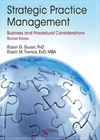
Strategic Practice Management – 2nd Edition
I was very pleased to take on the task of reviewing this book as I support Starkey’s Business Development Partnership Programme set up to support the UK and Irish Independent sector and to encourage audiologists to run their own businesses....
Understanding Childhood Hearing Loss – Whole Family Approaches to Living and Thriving
Brian Fligor is an experienced paediatric audiologist working in America. This book was written for the hearing impaired child and their family to demystify the technical and emotional aspects of hearing loss and the journey from diagnosis through to adolescents....
Otolaryngology Head and Neck Surgery: Clinical reference guide - Fourth Edition
This textbook, well known to North American residents, is now in its fourth edition. It has been extensively revised to include more up-to-date topics, such as robotic surgery, sleep medicine and paediatric otolaryngology. Authors Raza Pasha and Justin Golab aim...


