You searched for "stutter"
Hyposalivation: a review of current and future treatments
Hyposalivation remains a stubbornly difficult condition to treat, but novel therapies may not be far away. Saliva has many essential functions, including aiding digestion and swallowing, lubrication, maintaining tooth integrity and antibacterial activity. When patients experience reduced saliva production (hyposalivation),...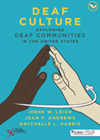
Deaf Culture: Exploring Deaf Communities in the United States
This book is intended as an introductory text for those studying deaf studies or American Sign Language in the USA. It is written by a mix of deaf and hearing authors and perhaps some of its shortcoming in feeling like...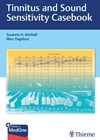
Tinnitus and Sound Sensitivity Case Book
This book, as the title suggests, is full of case studies written by health wprofessionals involving patients who are experiencing tinnitus and/or sound sensitivity. There are 29 different case studies spanning both adults and paediatrics (though mainly adults). Each case...
Surgery or medicine: when should we stop trying to be conservative?
Although most otolaryngologists would agree that surgery improves the outcomes of patients with CRS when medical treatment has failed, both Cochrane reviews state that there is no proof of improved efficacy of surgery over medicine – however, that was after...
Which is the best graft for myringoplasty?
This is a systematic review and meta-analysis of retrospective studies for type 1 tympanoplasty (myringoplasty) surgery comparing temporalis fascia and cartilage autograft materials for reconstruction. Inclusion criteria was patients with more than 50% perforated tympanic membrane with intact ossicular chain....
The effect of adenotonsillectomy on the immune system
Parents often ask about the effect of adenotonsillectomy on the immune system, with concerns that the child may be prone to more infections postoperatively due to the absence of immune tissue. This Belgian literature review looked at the local and...
Influence of atmospheric conditions on post tonsillectomy secondary haemorrhage
Haemostasis in epistaxis and a good few other conditions outside the field of otolaryngology seem to be affected by the weather. It is generally thought that dry and hot environment encourages secondary post tonsillectomy haemorrhage. Variations in water vapour pressure,...
Combined sprays for allergic rhinitis maintenance
This meta-analysis looked at the reported efficacy for allergic rhinitis control of various topical sprays, particularly comparative studies. There were fewer ‘head to head’ studies than we would have hoped to exist. This review included intranasal anti-histamines, intranasal steroids and...
Sublingual immunotherapy
This paper reviews the recent European studies on sublingual immunotherapy (SLIT). SLIT is currently widely used in Europe and is gaining popularity in the United States. It is known that longer treatment is needed with SLIT compared with subcutaneous immunotherapy...
Cognition outcomes after cochlear implantation – is there an improvement?
Older adults with a severe to profound hearing loss are more at risk of cognitive decline than adults of a similar age with milder losses or normal hearing. This poses challenges, not only in the assessment process, but also for...
Peripheral nerve reconstruction using cell-enhanced acellular nerve grafts
Autologous nerve grafts are the current gold standard for peripheral nerve reconstruction. This systematic review analyses the role of cell-enhanced acellular nerve (ANA) grafts on the regeneration of peripheral nerve injuries. Several studies have been published to examine alternatives to...