
You searched for "retraction"

The impact of rhino-sinusitis treatment on olfaction
This study included 28 adults prospectively enrolled between March 2011 and May 2013 into a non-randomised, multi-institutional cohort. Adults electing endoscopic sinus surgery experienced gains in olfaction comparable to adults electing continued medical management. The evidence in this study comparing...
Bone anchored implant stability predicted one week after implantation
Bone conduction (BC) devices can now be implanted as a single stage procedure with minimal soft tissue thinning to reduce the complications in the surrounding skin. The question of optimal loading time has to my mind not been answered. Here...
Does turbinoplasty outcome vary in the presence of allergic disease?
This well organised study from Australia looks at inferior turbinoplasty outcomes in patients with allergy and non-allergic rhinitis who have become refractory to medical treatment. There were 190 patients undergoing turbinoplasty with or without septoplasty assessed in this case-control study...
Anterior skull-base surgery: current opinion
This review examines the changes in the field of anterior skull-base surgery and the rapid advancement that has taken place in the last 10–15 years. Tumours of the anterior skull base that were once considered inoperable are now routinely resected...Hope for neural hearing loss
A new review shows significant promise of improved clinical outcomes for patients from the treatments in development for neural hearing loss (NHL), alongside better diagnosis.BIOHIT launches new quick test to help streamline gastroscopy referrals
BIOHIT HealthCare Ltd will be attending the upcoming BSG Live 2023 conference in Liverpool, where it will unveil a revolutionary new test to support decision making for gastroscopy referrals and improve the early detection of gastric cancer.The death of Attila the Hun, a 70s film and Japanese cartoons
The 6th century Gothic monk, Jordanes, tells us that Attila the Hun, the notorious and allegedly merciless barbarian (who was a prime mover in the fall of the Roman Empire), died of a nosebleed on his wedding night in 453...
The newest robot from da Vinci – what can it offer for hypopharyngeal cancer surgery?
The standard existing da Vinci surgical robot (the Si model) has been much maligned for not being optimally designed for transoral access and endoscopic manoeuvrability in head and neck surgery. This preclinical work from Holsinger and his team looks at...Can we prevent chronic rhinosinusitis?
The old adage ‘prevention is better than cure’ is considered by Professor Hopkins in respect to chronic rhinosinusitis, a condition affecting around 10% of the adult population and associated with huge impact on quality of life and economic cost. A...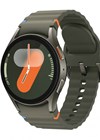
Wearable tech revolutionising sleep monitoring: a new era in sleep health
Restful sleep is crucial for health but conditions like obstructive sleep apnoea (OSA) can significantly disrupt it, leading to fatigue, cardiovascular issues, and other serious health problems. Polysomnography (PSG) remains the gold standard for OSA diagnosis [1], however it is...Vulnerability in audiological care: insights from Brené Brown and Kristin Neff
Embracing emotional openness and self-compassion can improve outcomes and relationships in the often-overlooked emotional landscape of audiological care. Audiological care is a deeply personal and often emotional journey for individuals experiencing hearing loss or other auditory challenges. Beyond the clinical...


