You searched for "management"
Maxillofacial and neck surgery in Iraq and Afghanistan
Introduction Over the past 150 years, military personnel wounded in action had a survival rate of approximately 80% [1]. During the current conflicts in Iraq and Afghanistan, those servicemen wounded in action have a 90.4% survival rate [2]. During the...A global online fellowship in head and neck surgery and oncology
The International Federation of Head and Neck Oncologic Societies (IFHNOS) offers an online fellowship training programme for advanced trainees wishing to subspecialise in head and neck surgery and oncology. Emma Stapleton speaks with the Chairman of the Board of Directors...
Outcome measures for hearing loss
This short editorial explores some possible options in measurement of quality of care in audiology. We traditionally tend to use clinician-related outcomes in place of patient-reported outcome measures and so we could miss a wealth of data on the impact...From aaargh to zzzzz: the ABC of paediatric anaesthesia
Andrew McTavish is one of those special breeds who not only relishes complex anaesthesia, but also does so in paediatric patients. Dealing with this group of patients requires careful planning according to accepted practice, and here he discusses some recent...IHNS 2026
5th Irish Head and Neck Society Annual ConferenceTranslating research – transforming lives: the BACO 2020 academic programme
The main attraction of any conference or event is, of course, the academic programme of lectures, workshops and education. Hisham Mehanna, BACO 2020 Academic Chair, and Paul Nankivell, Academic Vice Chair, give us an overview of what to expected in...Brussels, a multicultural city with varied ENT practice
Brussels has a proud history in the world of ENT. Jérome Lechien, who is on the Communications Committee for the CEORL-HNS 2019 Congress, and Daniele de Siati, a member of the international Scientific Committee, give us a history lesson and...What’s happened since the European position paper on nose and sinus tumours?
The management of malignant sinonasal tumours has gone through radical changes in recent years. Prof Valerie Lund gives us an update based on her upcoming talk at IFOS. In 2010 when we published the European position paper on ‘endoscopic management...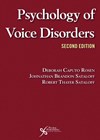
Psychology of Voice Disorders – Second Edition
Whenever I pick up a book, the first thing I do is look at the authors and see if I recognise any. The senior author of this book is Bob Sataloff – he needs no introductions when it comes to...Prudent audiology
Introduction In January 2014, Professor Mark Drakeford, Minister for Health and Social Services, defined Prudent Healthcare as, “Healthcare that fits the needs and circumstances of patients and actively avoids wasteful care that is not to the patient’s benefit.” ‘Prudent’ healthcare...Hyposalivation: a review of current and future treatments
Hyposalivation remains a stubbornly difficult condition to treat, but novel therapies may not be far away. Saliva has many essential functions, including aiding digestion and swallowing, lubrication, maintaining tooth integrity and antibacterial activity. When patients experience reduced saliva production (hyposalivation),...