
You searched for "paranasal"
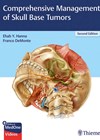
Comprehensive Management of Skull Base Tumors – Second Edition
This is the second edition of a multi-author textbook first published over a decade ago. Most of the chapter authors are North American, as are the editors themselves. There is also a smattering of well-known contributors from the rest of...
Role of intranasal steroids after radiotherapy for nasopharyngeal carcinoma
Rhinosinusitis often follows radiotherapy in the treatment of carcinoma of the nasopharynx. The interval and severity may vary with the dose of radiation and stage of the carcinoma. In this randomised, controlled study, patients who developed rhinosinusitis after radiotherapy treatment...
Drug eluting stent vs INCS for CRS
A prospective, randomised study from Finland to compare a drug eluting stent (DES) and intranasal corticosteroids (INCS) in 63 patients as assessed by SNOT-22, VAS, endoscopy, CT and rhinometry pre-treatment, at three and six months post treatment. Recruitment was over...
Do parents sleep better after paediatric adenotonsillectomy?
Paediatric adenotonsillectomy for sleep disordered breathing (SDB) is amongst the commonest surgical procedures performed in ENT. In the outpatient clinic, parents routinely express their concern about their child’s breathing but the impact of sleep disordered breathing on the parent is...Nasal and aural foreign body removal: another technique for a common problem
Trying to remove foreign bodies from the ears and noses of children is something we have all struggled with at various times. Many people have their own top tips, and here Oliver McLaren and Alexander Walkden describe an ingenious way...The future of rhinology
Over the last few decades, rhinology has been one of the most dynamic and progressive areas of ENT. Professor Fokkens is perfectly placed to offer insight into the future possibilities that could transform our patients’ care, many of which are...
The hot nose
Capsaicin nasal spray can offer moderate to significant symptomatic relief to 70-80% of patients with idiopathic rhinitis (IR). Efficacy was also shown in lab studies. Nasal hyper reactivity (NHR), absence of allergy / infective rhinosinusitis, age limits (18-60), no anatomical...
Pharmacological treatment of glue ear in children
Otitis media with effusion (OME), also known as glue ear, is a common cause of hearing loss in children. Most cases resolve spontaneously within three months. Early and proper management of OME can help avoid hearing and speech impairment that...
Adult Rhinosinusitis Clinical Practice Guideline update
This is a summary of the ‘Clinical Practice Guideline: Adult Sinusitis’ from the American Academy of Otolaryngology-Head and Neck Surgery Foundation. This is an update of the 2015 version. Evidenc-based statements: 1a. Differential diagnosis of acute rhinosinusitis: Clinicians should distinguish...
THRIVE: redefining airway management in endoscopic oesophageal surgery
Transnasal humidified rapid insufflation ventilatory exchange (THRIVE) is no longer just a tool to help anaesthetists secure a difficult airway. Thanks to the work of authors like Yang and colleagues, it is being revolutionised to provide apnoeic oxygenation during endoscopic...


