You searched for "stapling"
Audiology in this issue... The Changing World of Computational Audiology
Deborah Vickers, PhD, Principal Research Fellow in Hearing & Deafness, University of Cambridge, UK. E: dav1000@cam.ac.ukTwitter: @SOUNDLabCam / @DebiVickers_ / @BEARS_CIwww-neurosciences.medschl.cam.ac.uk/sound-lab/ Lorenzo Picinali, Reader in Audio Experience Design, Imperial College London, UK. E: l.picinali@imperial.ac.uk ENT & Audiology News Jan/Feb 2022...ENT in Ethiopia: Aksum-Barts Partnership
In keeping with many other countries in sub-Saharan Africa, Ethiopia has a chronic lack of hospitals and doctors. Nadia Ashraf and Tim Crocker-Buqué tell us about a project which aims to improve training in ENT, in a hospital that has...Recurrent respiratory papilloma treatment in the office
In this interesting new article, Markus Hess and Susanne Fleischer describe their technique for managing recurrent laryngeal papillomatosis in an outpatient setting using channelled endoscopes. The recurrent respiratory papillomatosis (RRP) of the larynx is a chronic HPV-associated viral disease. Clinical...The accidental audiologist
In this article we hear from Muhammed Ayas, an “accidental” audiologist applying his transferable skills as a clinician, academic, and researcher through trying and testing innovative approaches in audiology to better serve the community. My audiology journey began 22 years...Practical training courses for otolaryngology trainees
In this extended Trainee Matters, it’s a pleasure to present a trio of excellent articles with a theme of practical training courses for otolaryngology trainees. Miss Rachel Edmiston, Professor Nirmal Kumar and colleagues have written a valuable guide to setting...Sylvester O’Halloran Perioperative Symposium 2025
Dr Nyamateja Kaare - SHOThe 20th anniversary meeting of the Head & Neck section of the annual Sylvester O Halloran Peri-operative Symposium was held on 1 March 2025 at the University of Limerick Medical School.An attending 'Brains Trust' of John...Chocolates for laryngectomees
When The Chocolate Line in Bruges, Belgium, was approached by the charity, Shout at Cancer, there was always going to be something very special and innovative in the pipeline! Shout at Cancer’s Thomas Moors has been chatting with Julius Persoone,...New managing director for EUHA
At the beginning of November 2022, Tobias Bartels took up his position as managing director of the European Union of Hearing Aid Acousticians (EUHA). The 48-year-old business graduate brings to bear more than 25 years of experience. His focus has...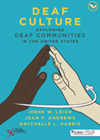
Deaf Culture: Exploring Deaf Communities in the United States
This book is intended as an introductory text for those studying deaf studies or American Sign Language in the USA. It is written by a mix of deaf and hearing authors and perhaps some of its shortcoming in feeling like...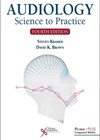
Audiology: Science to Practice – Fourth Edition
Kramer and Brown have done it again with their fourth edition of Audiology: Science to Practice. This textbook provides a comprehensive introduction to audiology with both clinical and practical information. This book is mainly aimed at those who are studying...
How does the Dizziness Handicap Inventory (DHI) correlate with demographics and symptoms of patients?
The DHI is widely used to assess the self-perceived emotional, functional and physical disability in subjects with dizziness and balance problems. By studying the data of 568 patients retrospectively, the authors sought to determine the gender and age differences in...