You searched for "age-related"

Third-party disability in cochlear implant users
Hearing loss causes changes for those experiencing it and the people who share in their everyday lives, often referred to as third party disability or caregiver burden. This study emphasises the notion that this phenomenon can be considered a disability,...
Effect of peripheral and central vestibular dysfunction on sense of direction
Sense of direction (SOD) is the ability to orientate ourselves and to determine the locus of objects in our environment. The vestibular system plays a key role in spatial orientation by encoding angular acceleration in the absence of visual cues...
Outcomes of reirradiation for recurrent head and neck SCC
Recurrent squamous cell carcinoma of the head and neck is often a challenge to manage when radiotherapy has previously been administered as a component of the initial treatment. Salvage surgery is usually the preferred modality of treatment, but for unresectable...
Posterior TM perforations carry greater hearing loss: practical pointers for clinic
This single-centre prospective study of 100 adults with central pars tensa perforations examined how perforation size and quadrant relate to hearing loss. Using video-otoscopy to estimate perforation area and pure tone audiometry for thresholds, the authors found hearing loss in...
Environmental sounds and hearing disability in auditory neuropathy
This cross-sectional study examined whether environmental sound perception contributes to self-perceived hearing abilities in individuals with auditory neuropathy spectrum disorder (ANSD). In total, 42 participants with ANSD completed the Speech, Spatial and Qualities of Hearing Scale (SSQ), alongside measures of...Genetic research on hereditary hearing loss and clinical application in the Chinese population
Congenital deafness in China affects more people than the entire population of Australia. Prof Wang give us a comprehensive insight into one of the main congenital disabilities in China, looking into the causes of deafness and the benefits of genetic...
Bone bridge conduction device for patients with bilateral microtia-atresia
Management of microtia-atresia requires a multidisciplinary approach. Children normally require bone conduction hearing aid devices very early in life to improve and facilitate speech and language development. At a later stage, when the cranial bones have strengthened and become thicker,...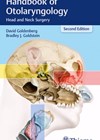
Handbook of Otolaryngology, Head and Neck Surgery – Second Edition
The authors and contributors of this book have done a stellar job of updating the content while maintaining the portability essential for any ‘handbook’. They begin with a sound introductory section which presents a comprehensive road map to evaluating the...Andrew Foster and deaf education
This article examines the career of deaf African American, Andrew Foster, and his contribution to deaf education in Sub-Saharan Africa. The history of medicine has often been guilty of attributing great revolutions to a single person (usually a white man)...A psychophysical perspective on single-sided deafness and its treatment by cochlear implants
Bob Carlyon gives us a psychophysical perspective on the hearing benefits that can and cannot be achieved for patients with single-sided deafness with a cochlear implant, and discusses some of the challenges in maximising the effectiveness of the treatment. He...Independent lab tests and rates hearing aids
HearAdvisor is a new audio testing lab designed to understand how the performance of hearing aids differs.