
You searched for "medialisation"
Hearing care systems in Europe – can we do more?
52 million Europeans experience hearing loss but many don’t find their way to professional hearing care. Lidia Best looks at strategies to improve the uptake of amplification at a national level [1]. With rising numbers of people experiencing hearing loss,...
Advances in Hearing Rehabilitation
This book is Vol. 81 of a series - Advances in Oto-Rhino-Laryngology - of which there are three current volumes: Rhinosinusitis with Nasal Polyposis, Sleep-Related Breathing Disorders, and Advances in Hearing Rehabilitation. A fourth volume on Vestibular Disorders is imminent....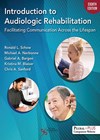
Introduction to Audiologic Rehabilitation: Facilitating Communication Across the Lifespan – Eighth Edition
The eighth edition of Introduction to Audiologic Rehabilitation is an invaluable and highly informative resource for anyone involved in the field of audiology and speech-language pathology. Designed to accommodate undergraduates, graduates and experienced clinicians alike, this textbook skilfully bridges the...
Foretelling: post-stroke recovery of dysphagia is predicted by cognition
Around two thirds of people in the acute phase of stroke recovery will experience dysphagia. Up to six months following a stroke this may be present in 13-18% of cases. The degree of cognitive impairment seems to be associated with...Biologic therapies for chronic rhinosinusitis with nasal polyps: a new paradigm
Surgery for nasal polyposis has evolved significantly in the last 30 years, and now the medical management may be on the cusp of a revolution. Biologics using monoclonal antibodies to target specific immune pathways have introduced a paradigm shift in...The modern management of Ménière's disease
In this article, John Phillips considers the evolution of management options for Ménière’s disease. Treatment options past and present are discussed, together with an insight into future developments regarding the role of intratympanic steroids. Ménière's disease can be the source...Maxillofacial and neck surgery in Iraq and Afghanistan
Introduction Over the past 150 years, military personnel wounded in action had a survival rate of approximately 80% [1]. During the current conflicts in Iraq and Afghanistan, those servicemen wounded in action have a 90.4% survival rate [2]. During the...
Polysolmnography and laryngomalacia severity
Laryngomalacia represents the single most common cause of stridor in infants. Most cases are self-resolving, but a proportion of children will require surgical intervention. This group aimed to analyse the efficacy of polysomnography in determining the severity of laryngomalacia in...Genetic discovery using animal models: presbyacusis
By their very nature, late-onset hereditary disorders offer a large window of opportunity for therapeutic intervention. However, before we can begin to think about strategies we need knowledge of the genetics and pathology underlying the condition. In this article we...Building a shared future for otolaryngologic care: the Global OHNS Initiative
A global OHNS network is bringing clinicians, researchers and advocates together to tackle inequities in ENT care through research, training and local partnerships. The care gap For billions of people worldwide, access to otolaryngologic care is determined by where one...
Assessment of viral aetiology in the formation of nasal polyps
The exact aetiology of nasal polyposis is not yet established although it is believed that allergic, infectious, mechanical, immunological and biochemical factors may be involved. Using the technique of polymerase chain reaction, this study assesses the role of human adenovirus,...


