You searched for "training"
The Royal College of Surgeons of Edinburgh: Foundations in Surgical Leadership June 26
The Royal College of Surgeons of Edinburgh Foundations in Surgical LeadershipThe Royal College of Surgeons of Edinburgh: Foundations in Surgical Leadership April 26
Royal College of Surgeons Edinburgh Foundations in Surgical Leadership
Epley manoeuvre angles
Posterior canal benign paroxysmal positional vertigo (PC-BPPV) is a common vestibular cause of dizziness regularly encountered in the outpatient clinic. The condition is often diagnosed with a positive Dix-Hallpike manoeuvre (DHM) – turning the patient’s head 45 degrees to the...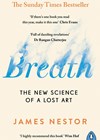
Breath – The New Science of a Lost Art
‘Popular science’ has become a discrete genre in the publishing world and there seems to be an insatiable desire for well-written books that explain the mysteries of human physiology to ‘lay’ readers. This is one such book, and the author...Tribute to the late Douglas Pitman, Founder DP Medical
Rob Atkinson, Chief Executive of DP Medical Systems, said: “It is with great sadness that we announce the recent death of our company founder and namesake, Douglas Pitman, on Saturday 6 September 2025, after a long illness. The late Douglas...Clinical management: a personal view
When Nigel Beasley approached me to write on my experience of clinical management, I was a little surprised. I see myself as primarily a clinician, but have had increasing involvement with clinical management within my Trust. I am now in...2020 Unmasked: Hidden strengths and vulnerabilities laid bare - By Joseph Sinnott
Masks were everywhere in 2020. The most visible to stop the spread of COVID-19 but others concealed soon-to-be revealed strengths and weaknesses. In April 2020, the UK Prime Minister was taken to intensive care suffering with this new and frightening...