You searched for "intraoperative"

Role of high-resolution CT scans in the management of cholesteatoma
This review article has looked at 15 publications, comparing features noted in high-resolution CT (HRCT) scans of patients having cholesteatoma with actual intraoperative findings. This comparison was used to assess sensitivity and specificity of various abnormalities picked up by HRCT...The development of endoscopic sinus surgery – a meeting of three great minds
The story of the development of endoscopic sinus surgery is inextricably linked with the names of Stammberger, Messerklinger and Storz. Karl Storz’s daughter, Sybill Storz, tells us more. We would like to take this opportunity to express our appreciation of...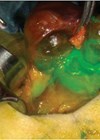
ICG in ENT surgery
The use of fluorescence imaging is well established in the medical sphere, forming an essential arm of medical diagnostics with liver function, ophthalmic angiography, and assessment in cell biology with fluorescence microscopy. Fluorescence imaging in surgery, however, is an evolving...
Sentinel nodes and UADT tumours
This is the review of a multicentre study to set practical guidelines for sentinel node techniques (SLN) in upper aerodigestive tract (UADT) squamous cell carcinomas including classical and extended indications. SLN biopsies are strictly indicated in patients with clinically and...
Wandering foreign bodies in the upper aerodigestive tract
Fish and chicken bones, along with metal wires, are among the most commonly ingested foreign bodies. Due to their linear shape and sharp edges, they can sometimes migrate beyond the lumen, making conventional endoscopic extraction unsuccessful. This issue is further...Anaesthesia for sleep nasendoscopy and snoring / obstructive sleep apnoea surgery
Surgery for sleep disordered breathing inevitably requires surgeon and anaesthetist to share the airway. Here, Edward Bick gives us the anaesthetic viewpoint, reiterating that communication is the key. A specific note is made of the anaesthetic technique for sleep nasendoscopy,...Surgical technology and operating room safety failures: lessons from vascular and general surgery
Background – surgical technology and otolaryngology An estimated 234 million major surgical procedures are performed annually worldwide. This requires the interaction of multidisciplinary teams with varying contributions of surgical technology and therefore makes surgical procedures prone to multiple sources of...
Hot off the press: new clinically relevant research methodologies for speech and language therapy
Interpretive Description (ID) is a qualitative research framework developed to address the limitations in other qualitative methods that are not epistemologically able to take applied fields, such as clinical professions, into consideration. This framework, often described as a method, has...
Stapedotomy in osteogenesis imperfecta
Osteogenesis imperfecta (OI) is a rare connective tissue disease caused by a defect in collagen structure. Hearing loss is a characteristic feature of OI. It typically presents with conductive hearing loss initially, followed by a superimposed sensorineural component later in...Selective upper airway stimulation
Obstructive sleep apnoea (OSA) is one of the most common diseases in industrialised countries and is characterised by an intermittent obstruction of the upper airway during sleep. The standard treatment for OSA is continuous positive airway pressure (CPAP) therapy, which...
The ACS-NSQIP study – predictive risk factors and outcomes in primary malignant parotid tumour surgery
Malignant parotid gland tumours occupy a good proportion of the ENT surgeon’s operative caseload. Large standardised datasets for malignant parotid tumour surgery are limited. This international multi-institutional study is based on the pooled American College of Surgeons National Surgical Quality...