You searched for "communication"
Subjective tinnitus – adding mutebutton™ to your tinnitus toolbox
Neurophysiologic tinnitus or subjective tinnitus is typically a sound or a number of sounds that originate from the auditory nervous system. They are unwanted sounds that do not exist in the external environment. They can be heard in one or...
Maturation of BC attenuation
The aim of this study was to clarify the reason for differences between bone-conduction hearing in adults and infants. The authors investigated how the sound pressure level in the ear canal changes depending on the bone-conduction transducer placement. By using...
Benefit of prolonged voice rest following phonosurgery
The recommendation for voice rest following surgery is not agreed amongst surgeons, regarding either the type of voice rest (absolute or relative) or the optimal duration. In this ongoing study, 31 elective patients operated on for benign laryngeal lesions were...
Endolymphatic sac surgery for Ménière’s disease
This is a very useful meta-analysis for those that perform surgery for Ménière’s disease. It specifically looked at differences in various forms of endolymphatic sac surgery (ESS). A total of 36 papers were included. The results: ESS controls vertigo in...
Perioperative management of the head and neck cancer patient
The perioperative care of patients with head and neck cancer is complex and requires significant preoperative planning and patient education. The issues include analgesia, antibiotics, stoma and wound care, general and chest physiotherapy, thromboprophylaxis and nutrition. This article provides a...
Is there a need for magnetic resonance imaging six-month post-radiosurgery for vestibular schwannoma?
With advances in imaging and radiation technologies, small, slowly growing vestibular schwannomas (VS) are treated primarily with either observation or stereotactic radiosurgery (SRS). Routine magnetic resonance (MRI) scans with gadolinium are obtained six months and one year after SRS in...Innovating around access to hearing services during the pandemic
COVID-19 has also presented its challenges to hearing healthcare providers and to the industry and, similarly, called for innovation and creativity. Dr Bromwich describes how these sectors are rising to the challenge. The reality of COVID-19 has been a challenging...From the editor MayJun 2021
Declan Costello, MA, MBBS, FRCS(ORL-HNS), Editor, ENT & Audiology News; Consultant Ear, Nose and Throat Surgeon, Wexham Park Hospital, Slough, Berkshire, UK. E: d.costello@nhs.net ENT & Audiology News is truly part of a global family of ENT surgeons and audiologists,...
Scary Cases in Otolaryngology
When I was first presented with the Halloween-like graphic that is displayed on the cover of this 230-page book, I wondered what scary stories may lie ahead. To my delight, by the time I’d turned over the first few pages,...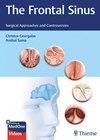
The Frontal Sinus: Surgical Approaches and Controversies
The Frontal Sinus: Surgical Approaches and Controversies is an exceptional resource for surgeons seeking to advance their knowledge in the field of sinus surgery. The book provides a detailed and insightful exploration of the various techniques, challenges, and potential complications...
Textbook of Otitis Media: The Basics and Beyond
This book is a comprehensive resource that discusses the multifaceted condition of otitis media. It aims to serve a wide range of medical professionals, including otolaryngologists, audiologists, paediatricians, and medical students, by providing both fundamental knowledge and advanced insights into...