You searched for "conferences"
Laryngeal evaluation during COVID-19 using transcervical ultrasonography
In light of the COVID-19 pandemic, the authors highlight their protocol of transcutaneous laryngeal ultrasonography as an alternative to flexible fibreoptic laryngoscopy when appropriate. This is to reduce the risk of aerosolisation posed by laryngoscopy. Ultrasonography is a rapid, non-invasive...
Predicting the need for salvage laryngectomy
The treatment of laryngeal cancer has seen a shift towards organ preservation strategies with non-surgical treatment offering equivalent survival outcomes. Nonetheless, salvage total laryngectomy (SLT) remains an important curative management option in cases of treatment failure or recurrence. The authors...Monitored safe medical practice: minimising patient harm will reduce medical negligence bill for the NHS
Patrick Bradley ruminates on a celebrated career in ENT head and neck surgery and suggests that increasing the possibility of positive outcomes to contemporary patient safety initiatives by the NHS must involve efforts to develop an enthusiastic contented workforce willing...Differing outcomes of three Sub-Saharan Africa journeys with the common goal of task sharing in audiology
Task sharing can be designed and implemented specific to the needs of each programme. Foundational principles of global health include developing local leadership as a means to successful sustainable service provision in low- and middle-income countries (LMIC) or regions. It...Vocal cord paralysis: an update
The management of unilateral vocal cord paralysis has changed in the last few years: this has largely come about as a result of improvements in technology, meaning that medialisations are quicker and easier to perform than previously. This article will...Differing outcomes of three Sub-Saharan Africa journeys with the common goal of task sharing in audiology
Task sharing can be designed and implemented specific to the needs of each programme. Foundational principles of global health include developing local leadership as a means to successful sustainable service provision in low- and middle-income countries (LMIC) or regions. It...Genetic research on hereditary hearing loss and clinical application in the Chinese population
Congenital deafness in China affects more people than the entire population of Australia. Prof Wang give us a comprehensive insight into one of the main congenital disabilities in China, looking into the causes of deafness and the benefits of genetic...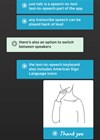
Hi There Solutions
The COVID-19 pandemic has introduced a multitude of lifestyle challenges, and communication has been no exception to this. Not only have plexiglass barriers and masks impeded the way we verbally interact, but the transition to more frequent virtual communication has...
Drug eluting stent vs INCS for CRS
A prospective, randomised study from Finland to compare a drug eluting stent (DES) and intranasal corticosteroids (INCS) in 63 patients as assessed by SNOT-22, VAS, endoscopy, CT and rhinometry pre-treatment, at three and six months post treatment. Recruitment was over...
Acute peripheral vestibulopathy: is it really neuritis?
The pathophysiology of acute vestibular dysfunction has been debated for decades. By seeking to clarify the underlying aetiology, this study muddies the waters further by advocating systemic and intratympanic steroids as first line treatment if the aetiology is uncertain. The...