
You searched for "examination"
The ear-brain connection in cochlear implant users: learning to listen again
While the cochlear implant (CI) has been a tremendous success in restoring hearing to deaf individuals, the implantation outcome still varies across CI users [1]. Some demographic factors, such as duration of deafness, and peripheral factors, such as electrode placement,...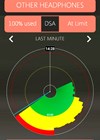
How loud is too loud? Smart ways to monitor noise exposure through your headphones
As an audiologist, an increasingly common concern patients have is noise exposure from their headphones and how it will impact their hearing over time. It’s a legitimate worry considering the average adult is streaming audio content on their mobile devices...INTEGRATE: Uniting collaborative research in ENT
Exposure to clinical research as a trainee is often sporadic and unstructured, despite it featuring in both the GMC’s Good Medical Practice and the ISCP’s syllabus for all surgical specialities, including otolaryngology [1,2]. The majority of trainees undertake small-scale research...ENT specialist honoured in Uzbekistan
Italian ENT specialist Professor Desiderio Passàli was awarded an honorary professorship in April by the Ministry of Health of the Republic of Uzbekistan. The honour was conferred at an event on 18 April in Samarkand State Medical University by the...AIHHP announces new chair
Oliver Wright has been appointed chair of the UK’s Association of Independent Hearing Healthcare Professionals (AIHHP).
Semantic fluency test to investigate deaf children
Semantic fluency task (SFT) is used to measure lexical organisation and executive function across the lifespan and requires participants to name examples from a particular semantic category in a specific period of time. Using this test, the authors investigated a...
Does talking better make you feel better?
Interaction-focused therapy for people with language impairment (aphasia) following a stroke or brain injury is routinely used by speech and language therapists in clinical practice. These types of interventions are based on research into the organisation of interactions and interactional...Who’s minding the gap?
In this article we focus on minding the gap between education and clinical audiology for children and young people who are deaf (CYPD) and their families, through interprofessional education. This article is provided by Dr Joy Rosenberg who leads the...Why and how to assess digital literacy of older adults with hearing loss
Assessing digital literacy in older adults with hearing loss is vital for equitable care. The new DL-2Q tool quickly measures such skills, ensuring tailored support and better outcomes. Digital literacy and its importance When an older patient walks into your...ENT in the Balkans
Shining a light on ENT in the Balkans, Metin Önerci explains the population and challenges in this part of the world. There is no universal agreement on what constitutes the Balkans. However, the following countries are usually included: Albania, Bosnia...Silent crisis: the exodus of hearing healthcare professionals from the Philippines
The migration of Filipino audiologists and otolaryngologists abroad is worsening the shortage of hearing specialists. Improving local conditions is vital to retaining talent. As ear and hearing healthcare professionals practising in the Philippines, we have seen the struggle in keeping...


