You searched for "TRI"
In conversation with Simone Botha Welgemoed, dancer and model
In this article, Simone Botha Welgemoed shares deep insights on what it is like to have a profound hearing loss and cochlear implant as a professional ballet dancer and model, and the challenges she faced from childhood to get to...Using tele-audiology in Zambia’s ear and hearing care desert
Addressing the medical desert with tele-audiology and tele-education. If a ‘medical desert’ is defined as a community that lives more than 60 miles away from the nearest acute care hospital, then try to imagine an appropriate term for a situation...In conversation with Liam M Flood: Middlesbrough (M for Michael? ...nope, Martin!)
Liam Flood. With a name such as Liam you must have some ‘Irish blood’? Where does your family come from? Tell us more? (What did your old man / mum do?) Some Irish blood? Those who know me well would...OBITUARY: Peter Rhys Evans (1948–2022)
On 3 June 2022, we lost a widely recognised and respected ENT/head and neck surgeon, Mr Peter Rhys Evans.In conversation with Emma Stapleton, winner of the Hunter Doig Medal 2022
The Hunter Doig Medal is awarded once every two years to a female Fellow or Member of the Royal College of the Surgeons of Edinburgh who has demonstrated outstanding career potential and ambition. The medal is named after two female surgeons, Alice Headwards-Hunter and Caroline Doig.
Neosensory Buzz: can a wristband really help with sound awareness and tinnitus?
As an audiologist, I am always looking for alternative and innovative solutions for patients who have tried all other traditional approaches. What else can I offer to patients who struggle to hear, even with appropriate amplification, or those who struggle...
Heard That: does the app live up to its name?
Ever find yourself in a noisy restaurant, barely following conversation yet nodding in clueless agreement? Considering how loud social settings can be, this is likely a familiar scenario. As gatherings become a regular part of our lives again, so do...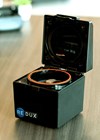
Redux: a new professional hearing aid dryer
Moisture is one of the most common reasons hearing aids malfunction. Whether it is because a patient forgot to take off their hearing aids before jumping in the swimming pool, they wear their hearing aids while working out or they...