
You searched for "registration"
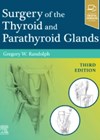
Surgery of the Thyroid and Parathyroid Glands - Third Edition
Surgery of the Thyroid and Parathyroid Glands - Third Edition is an excellent text for trainee and specialist surgeons with an interest in head and neck endocrine surgery. The organisation of the book simply makes sense, showing progression from the...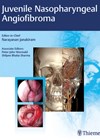
Juvenile Nasopharyngeal Angiofibroma
This book was first published in 2017 in India and PJ Wormald is one of the Associate Editors. It consists of 16 chapters with exceptional surgical photographs, as well as scans of different imaging modalities and illustrations. It is a...Development of the iAudiometer™
Why the iAudiometer™? We have developed six versions of a new software called iAudiometer™ that performs an array of different audiometric tests using an iPad with standard transducers (TDH-39 headphones, B-71 BC, aural domes, or inserts) (Figure 1; Table 1)....
Surgical management of permanent facial paralysis
This article explores the management of flaccid facial palsy focusing on weakness less than one to two years’ duration. As a general rule, primary nerve repair produces the best outcome and should be performed where possible. For long-standing paralysis of...A brief overview on chronic facial pain in rhinology practice
Chronic facial pain is a common yet complex issue in rhinology, often neurologic in origin and frequently misattributed to sinus disease. Facial pain is a very common complaint in the rhinology clinic. In a community-based ENT practice where patient symptoms...Cochlear implants and therapeutics: a natural partnership?
Global awareness of cochlear implants as a solution for hearing loss is slowly increasing and gaining acceptance. The potential for combining cochlear implants with inner ear therapeutics is immense, with promise in several areas. This article takes us on a...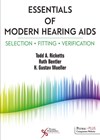
Essentials of Modern Hearing Aids - Selection, Fitting, Verification
In the preface to this book, the authors state that the purpose of the book is to take “a student through the entire hearing aid process from beginning to end in a logical and clinically applicable manner”. The book eschews...
Pain control for patients with chronic pain following surgery
There is an increasing number of patients with a background of chronic pain presenting to the otolaryngologist. Patients with chronic pain require extra consideration in postoperative pain control due to risk of tolerance and dependence. This article summarises postoperative management...
Adenoid cystic carcinoma – insights from a national database
Adenoid cystic carcinoma (AdCC) is a rare cancer of the salivary glands that accounts for approximately 1% of all head and neck malignancies. Hallmarks of this cancer type include a predilection for perineural infiltration, a prolonged clinical course with late...
Hearing preservation after Gamma knife in vestibular schwannomas
This retrospective study reports the outcomes of hearing preservation up to three years after Gamma knife radiosurgery for Gardner-Robertson Class I (SDS>70% and PTA <30dB) patients with vestibular schwannomas. The authors report that patients with no subjective or objective hearing...
Outcomes after facial nerve preservation surgery for large vestibular schwannomas
Large vestibular schwannomas (Koos grade three or four) are traditionally treated by surgical resection. Gross total resection of such large tumours often results in facial nerve dysfunction. Hence facial nerve preservation surgery was introduced in which maximal surgical resection is...


