
You searched for "diagnosis"
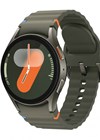
Wearable tech revolutionising sleep monitoring: a new era in sleep health
Restful sleep is crucial for health but conditions like obstructive sleep apnoea (OSA) can significantly disrupt it, leading to fatigue, cardiovascular issues, and other serious health problems. Polysomnography (PSG) remains the gold standard for OSA diagnosis [1], however it is...Screening for hearing aid fittings – an approach for primary care
Introduction The communication difficulties related to hearing loss can lead to ‘depression, social withdrawal and problems with employment and access to information sources’ [1]. Furthermore, unmanaged hearing loss is associated with dementia, a poorer quality of life, depression, anxiety and...Use of automated audiometry for faster patient access to audiology services?
Manual audiometry has long been the gold standard for establishing hearing thresholds. In recent years, a number of automated audiometry applications have reached the market. In this article, a team from Ireland have put a version of automated audiometry to...Living with Usher syndrome
“Usher people often still have sharp, clear central vision. It is the corner of their eye that is missing. This is why the Usher person often does not feel or look blind. In the early days they may not even...Patient experience of necrotising otitis externa
Necrotising otitis externa is increasing in incidence in the UK and becoming a rising burden to patients and health services. Despite a growing body of literature on this condition, we know very little about patient experience of necrotising otitis externa....The multidisciplinary voice clinic
In his inimitable way, Nick Gibbins tells us why the voice clinic is the highlight of his week – and his very own field of dreams. The voice clinic has come a long way in the last 40 years. The...The first nine months: why early hearing matters more than ever
Why 1-3-6 and 9? They are arguably crucial intervention stages. Here, new science is explored which weaves together the threads of early intervention. Imagine a newborn gazing at their caregiver’s face, hearing their voice and feeling the rhythm of their...Clinical WG1. Establishing a standard for tinnitus: patient assessment and characterisation
Rilana Cima and Haúla Haider introduce an ambitious pan-European collaboration that seeks to establish guidelines for achieving best clinical practice for managing, assessing and treating patients with different tinnitus profiles. Tinnitus heterogeneity is the major reason for inconsistent results in...Hearing about genes
I have been fortunate in my career to travel as an invited lecturer at many hospitals, universities and professional societies around the world. I have spoken to audiology societies, otolaryngology societies, and university communication disorders programmes in Europe, Asia, Africa,...
Dizziness in OSA patients– is there a link and can CPAP treat it?
This is a small study which proposes an interesting hypothesis - that in patients with both dizziness and OSA, treatment of their sleep disorder can provide resolution of their dizziness symptoms, which were otherwise refractory to standard treatment, particularly in...
The basis of auditory processing disorder: what can we learn from corticals?
Auditory processing disorder (APD) is a poorly understood, heterogenous and surprisingly common condition. It manifests as a perceptual difficulty in centrally processing auditory information. Diagnosis is usually based on a variety of behavioural tests involving verbal and non-verbal assessments. In...


