You searched for "laryngological"
Staphylococcus aureus as a cause of refractory chronic rhinosinusitis
Staphylococcus aureus has long been linked to chronic rhinosinusitis, particularly recalcitrant cases. In this article, Alkis Psaltis describes how newer techniques have shown higher rates of S. aureus infection than were previously thought, and explains how the bacteria are able...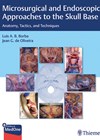
Microsurgical and Endoscopic Approaches to the Skull Base
This is a comprehensive book which covers both microsurgical and endoscopic techniques. The introductory section focuses on setup for microsurgical and endoscopic techniques, with images to support this. A detailed description of instruments is also provided, which would be extremely...
Factor favouring the need for revision FESS in chronic sinusitis with polyps – a multivariate analysis including phenotypes
Chronic rhinosinusitis with polyposis is a type 2 inflammation with risks of recurrence and need for revision operations. This is known to depend on the endotype and phenotype factors. This is a retrospective study of 212 patients. Of these, 112...User perspectives of online audiological rehabilitation programmes
Recent research shows that online audiological rehabilitation programmes have the potential to improve the quality of life of hearing aid users. However, there are still areas that need need improvement. Elisabet Thorén discusses some of the problems people face when...Entrepreneurial aspirations for the otolaryngologist
Entrepreneurship is a process of identifying an idea and starting a business venture with this idea. It requires generation of a business model or plan that emphasises the value proposition for the customer. The model must identify the partners, resources,...BAAP Annual Conference 2025
Shaista Kerai, ST3 Audiovestibular Medicine, Lancashire Teaching Hospitals NHS Foundation Trust, and Amol Anand, ST4 Audiovestibular Medicine Whittington Hospital NHS TrustThe British Association of Audiovestibular Physicians (BAAP) hosted its 2025 Annual Conference in Birmingham, drawing clinicians, researchers and trainees from...ENT in this issue...Multidisciplinary Teams
Joanne Rimmer, MBBS, MA(Hons) Cantab, FRCS(ORL-HNS), FRACS, Consultant Otolaryngologist / Rhinologist, Monash Health; Honorary Senior Lecturer, Department of Surgery, Monash University, Melbourne, Australia. E: rimmer.joanne@gmail.com The multidisciplinary team (MDT) has long been regarded as the gold standard in cancer care,...From the editor SepOct 2021
As the pandemic evolves, the world seems to be divided into those countries that are fortunate enough to have good vaccine coverage and, hence, are able to open up their societies; and those who do not have an adequate vaccine roll-out and are having to live with significant restrictions or high levels of prevalent disease.