You searched for "tests"
High intensity, high impact: tackling waiting lists one HIT at a time
A monthly high intensity theatre list in Sheffield shows how smart planning, teamwork and focus can dramatically reduce long ENT waiting lists. Finally, after many years of training, I’ve started my first consultant post – only to become part of...Will it ever happen?
Audiology is a rapidly evolving field, with many exciting developments on the horizon. David Baguley identified some topics of interest, and asked some international experts ‘will it ever happen?’ Gene therapy for deafness After years of development, gene therapy for...Patient initiated follow-up in head and neck cancer
Is it time for a change in the way we follow up head and neck cancer patients after treatment? Paul Nankivell and Hisham Mehanna explain the rationale for the PETNECK2 trial. After completion of curative intent treatment, clinical follow-up currently...American Thyroid Association Thyroid Cancer Management Guidelines: utilising risk stratification to optimise patient care
The steep rise in thyroid surgery around the globe, has led to the development of risk stratification to define the indications for surgery and the extent of surgery as well as adjuvant therapies for papillary carcinoma, to avoid over treatment....Intelligent real-time sign language translator designed by teens wins £20,000 national tech-for-good prize
On 16 July 2021, an intelligent real-time sign language translator designed by teens was announced as a winner for a £20,000 tech-for-good prize for 11-16-year-olds. The Amazon Longitude Explorer Prize challenges young, innovative minds to design and develop technological solutions...The MACRO Trial: defining best management of chronic rhinosinusitis
A major UK trial in The Lancet finds ESS provides greater symptom relief than long-term macrolides for adults with CRS, supporting earlier surgery and fewer antibiotics. The MACRO Programme was established in 2016 when the UK National Institute of Health...Muscle tension dysphagia: an underdiagnosed problem
In this article, the authors introduce the description of swallowing problems which have been recently attributed to muscle tension dysphagia (MTDg). The authors are clear that this is a diagnosis of exclusion, and it is important to rule out other...Assessment of genetic disorders: congenital sensorineural hearing loss
Severe or profound sensorineural hearing impairment (SNHI) is a common birth defect, affecting approximately 1 in 1000 newborns [1]. SNHI may result from environmental causes or have a genetic basis. The genetic causes can be further subdivided into non-syndromic (isolated...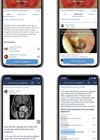
MedShr-ing is caring
MedShr is an international, award-winning medical education platform that has been created for healthcare professionals (HCPs) to discuss, learn, teach, and (to a lesser degree) network with one another. MedShr was founded in 2014 by Cardiologist Dr Asif Qasim and,...Cognitive spare capacity: what is it and why does it matter?
Cognition refers to thinking and memory. So why would cognition be a useful concept for ENTs and audiologists? Audition provides our main channel of communication and when we speak to each other, we want to exchange thoughts and remember what...