You searched for "simulation"
Thyroid nodules – time for a rational imaging approach
“The more you know, the harder it is to take decisive action. Once you become informed, you start seeing complexities and shades of gray. You realize that nothing is as clear as it first appears. Ultimately, knowledge is paralyzing.” Calvin,...Office-based PRP injection for benign vocal fold disorders
Awake transnasal laryngeal injection has become globally popularised. This article discusses autologous plasma as a regenerative alternative to synthetic materials. Regenerative therapies are increasingly being explored across a range of specialties. Among these, platelet-rich plasma (PRP) has seen the widest...ENT & Audiology in this issue...The Outer Ear
Emma Stapleton, MBChB, FRCS (ORL-HNS), Consultant Otolaryngologist, Cochlear Implant and Skull Base Surgeon, Manchester Royal Infirmary, UK. E: emmastapleton@doctors.org.ukTwitter: @otolaryngolofox Priya Carling, AuD,Director and Consultant Audiologist,Kent Hearing Ltd, UK. E: priya@Kenthearing.com The outer ear is, we think, the unsung hero...Cutting Edge Laryngology 2026
Cutting Edge Laryngology 2026 is the bi-annual flagship meeting of the British Laryngological Association, bringing together an international faculty of leading experts in laryngology. This three-day conference will take place at the Royal Society of Medicine and will focus on the very latest advancements in voice, airway, and swallowing disorders. The programme will span clinical practice, scientific research, and technological innovation, featuring keynote lectures, original research presentations, case discussions, and panel debates. Designed for ENT surgeons, Speech and Language Therapists, Respiratory Physicians, Gastroenterologists, trainees, and allied health professionals, Cutting Edge Laryngology 2026 offers a unique opportunity for in-depth learning, cross-disciplinary debate, and international networking.
Variations in obstructive level with increasing depth of sedation in DISE
This study highlights some of the controversies surrounding DISE (Drug Induced Sedation Endoscopy, or otherwise known as sleep nasendoscopy in the UK). On one hand it provides some evidence that the BIS (BiSpectral Index), recordings of patients while they are...Fall prevention in the elderly population
A fall in later life can have a catastrophic impact on a person’s quality of life. Lilian Felipe explains how falls prevention programmes and vestibular rehabilitation can help.Central auditory changes in SNHL
Robert Harrison discusses some of the most obvious ways in which cochlear hearing loss has central consequences. It is convenient to classify hearing loss according to the most obvious site of lesion, for example, conductive, cochlear, retro-cochlear, or central hearing...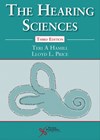
The Hearing Sciences – Third Edition
The Hearing Sciences – Third Edition is primarily aimed at undergraduate students on courses relevant to hearing sciences. Indeed, the content supports much of the scientific content delivered within UK-based audiology degree courses. The book is ordered in to four...
What works better for type 3 tympanoplasty?
This is a systematic review comparing incus transposition (IT) and partial ossicular replacement prosthesis (PORP). There is a total of 14 articles, obtaining 1055 patients: 614 for the IT group and 441 for the PORP group. All included patients had...
Physician burnout and resident wellness
Physician burnout and high rates of mental health issues amongst physicians are an important concern today. Several articles on this subject have been published recently. However, few articles have been written about starting life balance training early during residency. This...
Hearing outcomes after retrosigmoid resection of smaller vestibular schwannomas are better
The authors reviewed published literature reporting hearing outcomes in patients after retrosigmoid (RS) resection of vestibular schwannoma (VS). Aggregate hearing preservation of 31% and 35% under fixed and random models respectively was observed in the 2034 patients meeting eligibility criteria...