You searched for "medialisation"

Globus, reflux or perhaps both?
We rarely do an ENT clinic without encountering a patient with persistent or recurring feeling of a lump or foreign body in the throat. We are also familiar with patients dreading to hear the C word after the endoscopic examination...Retrieval of an aspirated voice prosthesis in the awake laryngectomised patient
In this article, the authors describe a simple and effective technique for extracting an aspirated voice prosthesis from within the tracheobronchial tree in the awake laryngectomised patient using the Ambu® aScopeTM 4 Broncho endoscope. Surgical voice restoration remains the dominant...
An office procedure to close small tympanic membrane perforations
Various methods have been described for closure of small tympanic membrane perforations, ranging from paper patching to use of fibrin glue. The procedure needs to be non-invasive and cost effective. Use of Terdermis to close perforations of all sizes has...
Platelet-rich plasma to reduce post-tonsillectomy haemorrhage and pain
Minimising haemorrhage and promoting healing of raw areas are cornerstones for uneventful and speedy recovery after tonsillectomy. In this single-blinded prospective experimental study, application of platelet-rich plasma to one side tonsillar bed has been compared to the other side in...
Platelet-rich plasma-cartilage tympanoplasty
This systematic review and meta-analysis of five studies (n=234 patients) reports the effectiveness of type I tympanoplasty with cartilage and platelet-rich plasma (PRP) compared with type I cartilage tympanoplasty alone for closure of dry tympanic membrane perforations. This is an...Redeployment of audiologists during COVID-19
As the demand on intensive therapy units in the NHS increased, volunteers from the audiology profession stepped in to support colleagues. Here, they share their experiences of caring on the frontline. Redefining normal: from outpatients to the ICU By Emilee...Patient-centred and accelerating progress: two organisations changing the landscape for rare skull base tumours
Patient-led organisations are transforming care for rare skull base tumours by connecting patients, clinicians and researchers to accelerate diagnosis, support and scientific progress. A skull base tumour diagnosis is a difficult time for any patient, but it is made more...
Safety recommendations for ENT surgeons during the COVID-19 pandemic
Physicians and other healthcare workers who perform and participate in examinations and procedures within the head and neck region and airway are at particularly high risk of exposure and infection from aerosol and droplet contamination. Authors have developed recommendations to...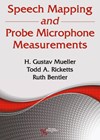
Speech Mapping and Probe Microphone Measurements
Consisting of seven chapters, 300 pages, numerous graphs and images, alongside a host of ‘tips and tricks, ‘clinical concepts, and ‘points to ponder’, you will be hard-pressed to find a more detailed, thorough discussion of all things related to probe...Cochlear implant referral: how can we do better?
Considerable progress has been made over the last few years in improving access to cochlear implantation (CI) in the UK for children and adults with severe to profound deafness. But we are still not treating children early enough, and we...GIRFT: improving ENT care through standardised clinical pathways
Clinical pathways can help to ensure consistency of approach and efficient use of resources. We hear about new developments in the UK. Variation in ENT care In today’s data-driven healthcare landscape, significant variation persists in the provision of ENT services...