ENT features

ENT in the Balkans
Shining a light on ENT in the Balkans, Metin Önerci explains the population and challenges in this part of the world. There is no universal agreement on what constitutes the Balkans. However, the following countries are usually included: Albania, Bosnia...

OBITUARY: Max McCormick
It is with great sadness that we record the passing of Max McCormick, a treasured friend and an eminent and greatly valued colleague. Max was a larger-than-life charismatic character who was both loved and esteemed by the entire UK ENT...
OBITUARY: Professor Wolfgang Steiner (1942–2024)
It is with great sadness that we must inform all our readers of the passing of the wonderful Professor Dr Wolfgang Steiner, the truly indomitable, passionate Professor of Otolaryngology of the Medical Faculty of Gottingen, Germany, from 1986–2007. Wolfgang died...

In conversation with John Carlisle: the silent hero shaping medical publication integrity
Have you ever been curious as to what your anaesthetist is getting up to on their laptop during long cases? Me neither, but I always generally assumed they were trading Bitcoin, solving the Riemann hypothesis and buffing their Tinder profile....

In conversation with the editors of European Archives of ORL-HNS
The journal European Archives of ORL-HNS (EAORL) is a truly pan-European endeavour and has been hugely successful. With an Impact Factor (IF) of 2.6, it is now on a par with Laryngoscope. We spoke to some of the senior editors...
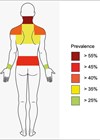
Ergonomics in otorhinolaryngology
Raewyn Campbell is a rhinologist and skull base surgeon in Sydney, Australia. Prior to training in medicine, she was trained as a physiotherapist, and she brings both disciplines into her research on ergonomics in surgery. Surgeons need to look after...

In conversation with Jane Lea: the journey from athlete to surgeon
Dr Jane Lea is a clinical professor and fellowship director of otology and neurotology at the University of British Columbia. Prior to becoming a doctor, Jane was a semi-professional footballer and represented Canada. As a result of three knee operations,...
Circular economy approach to reducing your carbon footprint in your ENT operating room
Although our operating rooms consume significant resources, some simple changes can have considerable impact in reducing greenhouse gas emissions. Here are 10 such simple things we can do. Waste is one of the largest contributors to a hospital’s carbon footprint,...
Making healthcare conferences green
Who knew our healthcare conference industry contributed so much to global carbon emissions? This article summarises means to reduce the impact such that we can continue to meet with our peers for educational meetings and networking, but in a sustainable...

A look at Black representation in ENT
The importance of diversity in ENT has recently been highlighted by ENT UK’s Equity, Diversity and Inclusion Strategy and Action Plan. In this article, Oloruntobi Rotimi discusses the importance of Black role models for those starting out in the specialty....

Gender-affirming voice surgery
Professor Ahmed Geneid is a laryngologist and phoniatrician at Helsinki University Hospital and a founding member of the International Association of TransVoice Surgeons. Here, he presents the intricacies and nuances of gender-affirming voice surgery after own hospital’s 30 years of...

Being a doctor abroad – comparing the Greek healthcare system with the NHS
Healthcare systems and training programmes vary significantly across the world. By learning about other healthcare systems, we can identify blind spots in our own system and continue to improve training. Sofia Anastasiadou, an ENT Registrar in South West England, describes...