
You searched for "laser"

Rationales to explore the neck in penetrating injuries
Penetrating neck injuries in the UK are more commonly associated with low velocity objects such as knives and blades as opposed to gunshots. To explore the neck requires careful consideration of the need to do so in line with Burgess...
The future: brain imaging for aphasia rehabilitation
Technology offers our patients vast potential, yet the research literature in this area is often technical and difficult to translate to the day-to-day clinical setting. This article aims to review structural and functional imaging methods and discuss how they are...
Canal wall down with obliteration of cavity for paediatric cholesteatoma
The authors present evidence that canal wall down (CWD) surgery with primary obliteration is an effective way to treat paediatric cholesteatoma. Fifty-eight ears were operated on and follow-up was for five years on average. Residual cholesteatoma rate was 9.9% with...
Polysolmnography and laryngomalacia severity
Laryngomalacia represents the single most common cause of stridor in infants. Most cases are self-resolving, but a proportion of children will require surgical intervention. This group aimed to analyse the efficacy of polysomnography in determining the severity of laryngomalacia in...Head and neck cancer awareness
Head and neck cancer is one of the most preventable cancers, and awareness and screening campaigns have shown a decline in its incidence. Support for campaigns of awareness and education about these cancers is crucial from professional, societal and governmental...
Reduction in recurrent cholesteatoma rates with bony obliteration tympanoplasty technique
This large retrospective study from the Erasmus Medical Centre in Rotterdam compares outcomes in traditional canal wall up (CWU) and canal wall down (CWD +/- partial obliteration of mastoid bowl) mastoid surgery for cholesteatoma with bony obliteration tympanoplasty (BOT, which...Vocal cord paralysis: an update
The management of unilateral vocal cord paralysis has changed in the last few years: this has largely come about as a result of improvements in technology, meaning that medialisations are quicker and easier to perform than previously. This article will...
Long-term results of injection laryngoplasty with polydimethylsiloxane (Vox) for unilateral vocal fold paralysis
Polydimethylsiloxane (PDMS) is widely used for vocal cord injections to treat patients with a vocal cord palsy. It is commercially available as the Vox implant system. Alternative compounds that can be employed include hyaluronic acid and calcium hydroxyapatite (Radiesse Voice)....
Help or hinder: how and why do SLTs make clinical decisions around swallowing?
Dysphagia is a relatively common consequence of stroke, with estimates between 50% and 60% of people presenting with swallowing dysfunction following stroke. It is associated with pneumonia, malnutrition and dehydration which in turn lead to increased length of hospital admission,...
Consequences of Meniere’s Tumarkin crises
Many will be familiar with reports of frightening drop attacks without loss of consciousness experienced by some Meniere’s disease (MD) patients. This study analysed data from an electronic survey of over 600 members of a national Meniere’s society. The aim...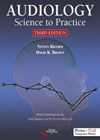
Audiology Science to Practice - Third Edition
The authors provide a comprehensive introduction to audiology for students and clinicians in audiology and related professions. The textbook has a favourable layout: chapters are organised logically and begin with a set of learning objectives providing a preview of what...


