
You searched for "laryngological"
Sylvester O’Halloran Perioperative Symposium 2024
Co-chair Andrew Dias with best poster winner Nyamateja Kaare. Lisa O’Byrne, ST5 Otolaryngology, St Vincent’s University Hospital, Dublin, Ireland. The annual Sylvester O’Halloran Perioperative Symposium, first held in 1992, has evolved to include all surgical specialties as well as many...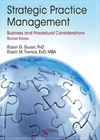
Strategic Practice Management – 2nd Edition
I was very pleased to take on the task of reviewing this book as I support Starkey’s Business Development Partnership Programme set up to support the UK and Irish Independent sector and to encourage audiologists to run their own businesses....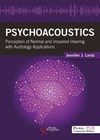
Psychoacoustics: Perception of Normal and Impaired Hearing with Audiology Applications
The field of psychoacoustics and the practice of audiology have always been curious bedfellows. In the clinic, we commonly assess patients’ hearing ability through pure-tone detection, a classic psychoacoustical phenomenon, but just one of the many, many ways in which...
How to talk about hearing aid costs?
Money is always a controversial topic if discussed in reference to healthcare. This study raises the interesting topic of difficulties when it comes to discussing the costs of hearing aids with customers. Sixty-two audiological appointments were recorded and discussions concerning...
Communication patterns during audiological rehabilitation history taking
Nature of communication among patients, their communication partners and hearing healthcare professionals is an important part of audiological rehabilitation and can have some influence on the patient outcome. As history taking quite often forms the first instance of communication between...
The continued evolution of surgical techniques for bone anchored hearing devices
This paper is not the first, and is unlikely to be the last, to look at a variation on the current technique for inserting the percutaneous titanium bone-anchored component of a bone conduction hearing device. In less than a decade,...
The debate: endoscopic vs microscopic ear surgery – meta-analysis of outcomes
Although the endoscopic approach to ear surgery has become more common in clinical practice, the debate about its role versus the traditional microscopic approach continues in many ENT units. This meta-analysis from the Mount Sinai ENT department in New York...


