
You searched for "medialisation"
Biologic therapies for chronic rhinosinusitis with nasal polyps: a new paradigm
Surgery for nasal polyposis has evolved significantly in the last 30 years, and now the medical management may be on the cusp of a revolution. Biologics using monoclonal antibodies to target specific immune pathways have introduced a paradigm shift in...The modern management of Ménière's disease
In this article, John Phillips considers the evolution of management options for Ménière’s disease. Treatment options past and present are discussed, together with an insight into future developments regarding the role of intratympanic steroids. Ménière's disease can be the source...An update on HPV and the vaccination
In recent years, the role of HPV in the development of oropharyngeal cancers has become apparent. Hannah Fox and Vin Paleri contend that while we may not always be able to cure oropharyngeal cancers, vaccination offers our best hope for...
Polysolmnography and laryngomalacia severity
Laryngomalacia represents the single most common cause of stridor in infants. Most cases are self-resolving, but a proportion of children will require surgical intervention. This group aimed to analyse the efficacy of polysomnography in determining the severity of laryngomalacia in...
Advances in Hearing Rehabilitation
This book is Vol. 81 of a series - Advances in Oto-Rhino-Laryngology - of which there are three current volumes: Rhinosinusitis with Nasal Polyposis, Sleep-Related Breathing Disorders, and Advances in Hearing Rehabilitation. A fourth volume on Vestibular Disorders is imminent....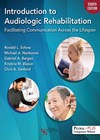
Introduction to Audiologic Rehabilitation: Facilitating Communication Across the Lifespan – Eighth Edition
The eighth edition of Introduction to Audiologic Rehabilitation is an invaluable and highly informative resource for anyone involved in the field of audiology and speech-language pathology. Designed to accommodate undergraduates, graduates and experienced clinicians alike, this textbook skilfully bridges the...
Foretelling: post-stroke recovery of dysphagia is predicted by cognition
Around two thirds of people in the acute phase of stroke recovery will experience dysphagia. Up to six months following a stroke this may be present in 13-18% of cases. The degree of cognitive impairment seems to be associated with...Cochlear implant services matter
A global survey of deaf and hard of hearing adults has found very high satisfaction rates with cochlear implants (CI).Genetic discovery using animal models: presbyacusis
By their very nature, late-onset hereditary disorders offer a large window of opportunity for therapeutic intervention. However, before we can begin to think about strategies we need knowledge of the genetics and pathology underlying the condition. In this article we...
Assessment of viral aetiology in the formation of nasal polyps
The exact aetiology of nasal polyposis is not yet established although it is believed that allergic, infectious, mechanical, immunological and biochemical factors may be involved. Using the technique of polymerase chain reaction, this study assesses the role of human adenovirus,...
Medical control of allergic rhinitis in children
The authors of this randomised trial aim to answer an important question – which is better: daily versus on demand use of intranasal steroids (fluticasone probionate) or antihistamines (levocetirizine dihydrochloride) for symptomatic control of allergic rhinoconjunctivitis secondary to pollen? The...


