
You searched for "disability"
Ida Institute joins Demant
The Ida Institute, the hearing-care pioneer, has joined Demant, the Denmark-based hearing healthcare group.The UK National Eye Health and Hearing Study
A pilot study is currently underway in preparation for a UK National Eye Health and Hearing Study (UKNEHS). This will help to ensure an up-to-date and comprehensive picture of sight and hearing loss among over 50s in the UK.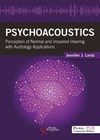
Psychoacoustics: Perception of Normal and Impaired Hearing with Audiology Applications
The field of psychoacoustics and the practice of audiology have always been curious bedfellows. In the clinic, we commonly assess patients’ hearing ability through pure-tone detection, a classic psychoacoustical phenomenon, but just one of the many, many ways in which...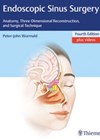
Endoscopic Sinus Surgery: Anatomy, Three-Dimensional Reconstruction and Surgical Technique - Fourth Edition
Although nothing can substitute for hands-on training and time in theatre, this book is about as close as any trainee wanting to make up for training time lost to the COVID-19 pandemic, will get. Whether bought as reading for a...
It’s not just about academic education for teenagers with TBI
Research has shown that many traumatic brain injuries are sustained before the age of 25. This article aims to examine the need for speech and language support for students with traumatic brain injury (TBI) beyond the issues a student may...
Paranasal sinus osteoma management
The authors aimed to determine the best approach to paranasal osteoma excision. They conducted a retrospective study of 41 patients with paranasal sinus osteoma (PNSO) at a tertiary centre in Turkey. PNSO was present in: the frontal sinus in 26...
Should patients with dysphagia be allowed water freely?
Patients with dysphagia often experience dehydration as a consequence of “nil by mouth” or having to consume thickened fluids due to aspiration of thin fluids. However, not all incidents of aspiration develop into an infection. Factors that contribute to aspiration...
Less pain more gain: impact of prophylactic gabapentin on swallowing outcomes in head and neck cancer patients undergoing radiation treatment
Patients planned for chemoradiation to the head and neck are usually advised to expect some pain and soreness during their treatment and that pain relief will be offered as and when it is required. Uncontrolled pain and mucositis affect oral...
Stenting and sinus surgery
Stents are used in sinus surgery with the aim of maintaining patency of sinus cavity avoiding restenosis from inflammation or scarring. The exact indication for stenting in sinus surgery however is still debated. The authors discussed the potential role of...
Talking through technology – keeping up with the mainstream
Augmentative and alternative communication (AAC) system development has often made early use of innovative technology. Touch screens have been a part of this technology for some time. In fact, touch screens were invented in 1965 but it wasn’t until the...
More difficult than meets the eye: learning to use communication skills
People with communication difficulties are more at risk of accidents and mistreatments than others. Addressing the skills of the communication partners (the medical professionals) is one way of tackling this issue. This study describes innovations in training for fourth year...


