
You searched for "infection"

Hearing outcomes after retrosigmoid resection of smaller vestibular schwannomas are better
The authors reviewed published literature reporting hearing outcomes in patients after retrosigmoid (RS) resection of vestibular schwannoma (VS). Aggregate hearing preservation of 31% and 35% under fixed and random models respectively was observed in the 2034 patients meeting eligibility criteria...
Transoral laser microsurgery (TLM)
This review article describes the surgical technique of transoral laser microsurgery (TLM) for the piecemeal removal of tumours of the upper aerodigestive tract using carbon dioxide laser. This technique gained acceptance after Wolfgang Steiner published his paper on the treatment...
A useful adjuvant treatment for SNAC or IP
5-Fluorouracil (5FU) is a topical preparation used in the treatment of various dermatological, ocular and gynaecologic malignant and pre-malignant conditions, and this literature review looks at the efficacy of 5FU in treating inverted papilloma and sinonasal tumours. The authors cite...Clinical Observations of Otinova in everyday life
Otinova for Otitis Externa or ‘swimmers ear’. When Associate Professor and senior physician Mats Engstrom came across Otinova in his ENT clinic in Lakarhuset, Uppsala, he collected detailed information about the patients who tried the preparation.Assessment of genetic disorders: congenital sensorineural hearing loss
Severe or profound sensorineural hearing impairment (SNHI) is a common birth defect, affecting approximately 1 in 1000 newborns [1]. SNHI may result from environmental causes or have a genetic basis. The genetic causes can be further subdivided into non-syndromic (isolated...VES2 is ready to bring ear surgery into your living room
The VES2 virtual reality bone drilling simulator is ready and it is freeware! After a long development period we are now able to invite everybody to try the simulator and use it for training, for a inner ear anatomy, and...The ‘bus stop’ incision for bone-anchored hearing aid placement: a step-by-step approach to soft tissue preparation
There have been many descriptions of soft tissue preparation in the era when subcutaneous tissue was routinely removed with the Nijmegen technique [1] or with the dermatome [2]. More descriptions continue to evolve with the advent of tissue preservation techniques,...
Obstructive sleep apnoea: Does maxillomandibular advancement work?
This is a paper from the Netherlands reviewing 62 patients who underwent maxillomandibular advancement for moderate to severe obstructive sleep apnoea. The authors observed a 71% success rate with mean apnoea hypopnea index (AHI) reduction of 69%. There was no...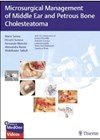
Microsurgical Management of Middle Ear and Petrous Bone Cholesteatoma
Several years ago, after being appointed as a consultant, my esteemed senior colleague entered my office and questioned why I was reading a textbook at that stage of my career, suggesting that I should be focusing solely on journals. Whilst...


