
You searched for "implantation"

Facial reanimation
Non-conservative surgery in the parotid region results in a devastating complete facial paralysis (as with other causes of persistent facial palsy). Lengthening temporalis myoplasty is one of the available rehabilitating techniques. This is a series of 15 patients who had...
Advances in auditory implants
This article provides an overview of auditory implants. Implanted auditory devices may be classified into bone conduction implants (BCI) and active middle ear implants (AMEI) that stimulate cochlear hair cells, and cochlear implants (CI) that stimulate neural structures. CIs bypass...
How to train adults with single-sided deafness and cochlear implants
Cochlear implantation (CI) in patients with single-sided deafness (SSD) has been carried out in Perth, Australia from 2008. It poses challenges to clinicians and patients who are trying to tune in the poorer ear while still having a normally hearing...Access to and uptake of cochlear implants in the UK
Assessing demands on cochlear implant (CI) services is very important for both commissioners and clinicians in anticipating clinical need and funding requirements. Commercial CI’s were introduced in the late 1980s. Initial funding was from charitable sources. The first major advance...Hearing implant devices: new expectations during IFOS 2023 ENT World Congress, Dubai
We hear from one of the senior members of the IFOS Executive Board about the aspects of IFOS that he is looking forward to – and, in particular, his focus on implantable hearing devices. From 17 to 21 January 2023,...
Literature review of experience with the BAHA Attract implant
The authors undertook a literature review for reports on patients who underwent BAHA Attract implantation. Of the 497 PubMed articles, 10 studies met their inclusion criteria. All the studies published were observational studies. There were no randomised control trials. The...
Ultrasound-guided core biopsy of neck lumps as first-line investigative modality supersedes fine needle aspiration cytology in the diagnosis of neck lumps
Ultrasound-guided fine needle aspiration cytology (USFNAC) when applied as initial investigation often proves non-diagnostic, the incidence being as high as 50% in a recent audit. In this study, the authors applied ultrasound-guided core biopsy (USCB) to neck lumps over 1cm...
Early results of the Cochlear Osia (active transcutaneous bone-conduction implant) in teenagers
This funded research trial involving 14 adolescents, aged 10 to 17 years, in the Toronto Hospital for Sick Kids was carried out just prior to the new Osia implant obtaining FDA approval for use in the USA. The majority had...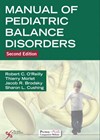
Manual of Pediatric Balance Disorders - Second Edition
This is a very welcome and recently updated book for those wishing to learn about paediatric balance disorders. It has a multidisciplinary authorship and therefore all the specialties involved in the management of a child with balance problems should be...Hearing rehabilitation after vestibular schwannoma surgery
Hearing rehabilitation is a key focus of the management of patients with vestibular schwannoma. But how do we rehabilitate hearing when the cochlear nerve has been damaged by tumour, irradiation, or resective surgery? Mathieu Trudel, Scott Rutherford and Simon Lloyd...


