
You searched for "skull"

1922 results found

Does diet have a role in the prevention of tinnitus?

Tinnitus, diet and healthy ageing Despite the high prevalence of tinnitus, its exact aetiology remains unclear. Research has explored the role of various biological pathways in the development of tinnitus including age-related changes in the auditory system, impaired vascular function,...

Stricture after total laryngectomy: what are the risk factors?

Stricture after total laryngectomy is common but not inevitable. New insights into risk factors could help clinicians anticipate problems and improve swallowing outcomes. Why this complication deserves renewed attention Total laryngectomy remains one of the defining operations in head and...

Planes, trams, and auditoriums: Beware predatory conferencing

Predatory conferences are a growing concern. First highlighted in our sister magazine, Eye News*, the issue affects all areas of medicine – including ENT and audiology. With inboxes filling up with flattering invitations to ‘global’ meetings in glamorous destinations, it’s...

Planes, trams, and auditoriums: Beware predatory conferencing

Predatory conferences are a growing concern. First highlighted in our sister magazine, Eye News*, the issue affects all areas of medicine – including ENT and audiology. With inboxes filling up with flattering invitations to ‘global’ meetings in glamorous destinations, it’s...

BSO Annual Meeting & Juniors Day

Irene Benaran (left), ENT CDF and Noah Evans Harding (right), ENT ST4, University Hospital Monklands, Lanarkshire, UK. The theme of this year's British Society of Otology (BSO) annual meeting was ‘The Past, Present and Future of Otology’. To introduce aspiring...
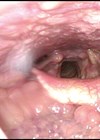


Virtual chromoendoscopy (VCE)

‘That’s a funny looking lesion on the larynx, it’s probably benign, but I should take a biopsy.’ Liz Ross and Ajith George discuss whether virtual chromoendoscopy will change this thought process. What are the origins and ENT applications? Traditional chromoendoscopy...

The role of artificial intelligence and applications in ENT surgery

AI is progressing apace. If you’re wondering how it might affect our working lives in ENT, read on for insights and a pilot study that show us what may be possible. The recent launch of ChatGPT, an open access artificial...

What does functional neuroimaging tell us about tinnitus?

One of the most common causes of tinnitus is noise exposure, be that either cumulative day-to-day exposure over a lifetime or experience of acute noise trauma such as a loud concert or shooting incident. Observational data indicate that up to...

Workplace culture: observations of audiology in Northern England and Western Australia

Working with a diverse workforce and coping with transition forced me to consider the importance of cultural differences in the workplace. Only by trying to understand these differences can you understand others’ behaviour and what motivates the team. I have...

Branchio Oto Renal syndrome

Branchio Oto Renal Syndrome (BOR) is an autosomal dominant disorder with branchial, otologic and renal manifestations. The presence of clinical signs varies among and within affected families. Three causative genes for BOR syndrome have been reported thus far: EYA1, SIX1...

Clinical utility and practical interpretation of the video head impulse test

The head impulse test (HIT) is an essential bedside test to detect peripheral vestibular deficits. The video head impulse test (vHIT) is a new tool quantifying the HIT. In this article Maria Heuberger and colleagues point out the clinical utility...

A binaural detection task that reveals deficits in listeners having ‘slight’ or ‘hidden’ hearing loss

The association of degraded binaural processing in adults with clinically defined ‘slight’ or ‘hidden’ high frequency hearing loss is of great interest to clinicians if it can be measured. Leslie R Bernstein and Constantine Trahiotis share their findings in measurements...
