
You searched for "counselling"

Which graft is better for type 1 tympanoplasty in elderly patients?
Type 1 tympanoplasty is a procedure performed to repair tympanic membrane perforations, primarily to reduce otorrhoea. This may subsequently lead to improvement of hearing. The common graft materials used are temporalis fascia and cartilage from tragus or concha. The authors...Understanding new and emerging categories of hearing devices
The hearing device landscape is rapidly changing, and what should be given, to whom, and why, are questions that many hearing healthcare professionals are asking. Brent Edwards discusses these questions and how consumer characteristics may influence their choice. In 2016,...The business of audiology: unbundling
Many professions, such as law, accounting, engineering and some areas of healthcare charge hourly rates in a fee-for-service model. Administratively, this can be a challenge to track hours, bill clients/patients, and collect payment, but this does lend toward greater transparency...ENT bodies stand up for Ukraine
Leading ENT and audiology organisations have made a stand against Russia’s war in Ukraine.
Assessment of audiological needs
A thorough assessment of audiological needs is crucial for a successful audiological rehabilitation. This study concentrated on creating the Québec Audiological Assessment Protocol for Younger and Older Adults (QAAP-YOA) that could be easily adopted in audiological clinics. The authors used...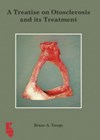
A Treatise on Otosclerosis and its Treatment
Rinze Tange and I were co-authors for the otosclerosis chapters of both the seventh and eighth editions of Scott-Brown’s Otorhinolaryngology which he references in his book. It was particularly exciting therefore to receive this beautiful 363-page treatise on all that...
Consulting with patients and providers: what should the future of aphasia therapy look like?
This article provides a description of what healthcare for people living with aphasia should and may look like in 10 years’ time. The authors have consulted with a group of people with aphasia and the lead of an aphasia advocacy...
The GP and the ear
General practitioners are the first members of the medical community to deal with ear problems. In this survey, 11 GPs examined 124 patients using a regular otoscope and a video-otoscope and reported their findings in a 10-item table. The same...The connection between hearing loss and cognitive decline: current perspectives
Editorial clarification This article reviews research exploring associations between hearing impairment, cognitive decline and dementia. While evidence shows a dose-dependent relationship, it is important to note that association does not prove causation, and current research does not definitively show if...Hearing loss and cognition: something to think about
Irace, Chern and Golub propose causal and non-causal mechanisms for the links between hearing loss and dementia, concluding with a discussion of several proactive measures available to help preserve neurocognitive health in older adults with hearing loss. What is age-related...
I am Malala
Tuesday 9th October, 2012 started like any other ordinary day in the life of a 15-year-old girl in Swat, Northern Pakistan. A trip to school and back with an exam in the morning. But this was not a normal day,...


