You searched for "Neuromod"
The changing landscape for hearing loss therapeutics: novel advances of gene and cell therapies
Recent years have seen advances in hearing loss therapeutics, with novel treatments trialled in humans, and others nearing promising first-in-kind clinical trials. First successful clinical trials for a specific form of genetic hearing loss Very exciting news has emerged in...Opening ceremonies – a necessary evil?
This series of stories is dedicated to those of you with whom some of these moments were shared (or endured) and, above all, to my amazing and long-suffering husband, David Howard. Most of you know him as an exceptional head...Protheses for patients with severe bilateral vestibular loss
In February 2003, I met a patient with severe bilateral vestibular loss due to gentamicin toxicity, and I felt disheartened. Despite the fantastic diagnostic vestibular lab we had at Maastricht University Hospital, what could I truly offer her? She had...Worldwide picture of candidacy for cochlear implantation
Who should get a cochlear implant? Candidacy is one of the most important and widely discussed topics in the field of cochlear implantation. Here, Chris Raine and Debi Vickers outline cochlear implant candidacy in the UK, and compare this with...What’s new in implantable devices? New indications in cochlear implantation
For over 40 years, cochlear implant procedures have steadily increased. Outcomes for patients are improving as a result of modified surgical techniques, a wider portfolio of electrode arrays, advances in programming strategies, access to improved technology and a better understanding...Intratympanic treatments for subjective idiopathic tinnitus
Direct application of medication into the ear is long established, going back as far as written records. In the modern era, greater understanding of aural anatomy revealed that drugs instilled in the middle ear could potentially diffuse into the cochlea...The role of objective measures and imaging to optimise cochlear implant outcomes
Should we be using new or novel objective measures and imaging to assist with our cochlear implant patients? Debi Vickers and Shak Saeed describe current clinical techniques and present advances that have the potential to optimise outcomes. Introduction It is...Will it ever happen?
Audiology is a rapidly evolving field, with many exciting developments on the horizon. David Baguley identified some topics of interest, and asked some international experts ‘will it ever happen?’ Gene therapy for deafness After years of development, gene therapy for...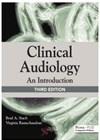
Clinical Audiology: An Introduction - Third Edition
Clinical Audiology: An Introduction - Third Edition is intended as a course book for students in audiology. It is aimed primarily at students in the USA, although it would also be suitable for students in other countries. It is a...
Postinfectious olfactory disorders
Recovery of olfactory function following URTI is frequent, even many years after the infectious insult. Upper respiratory tract infection is the commonest cause of olfactory loss. Many treatment options exist including topical steroids, vitamin B, acupuncture, and zinc, which can...