
You searched for "silence"
Low-frequency air-bone gaps appear to be a true audiological finding in Ménière’s disease
There is a lack of established objective tests in Ménière’s disease (MD) that can provide information about the disease process. The appearance of low-frequency air-bone gaps (LFABGs) in MD is a recognised but unexplored phenomenon. Two theories have been suggested...
To scan or not to scan, otosclerosis
Otosclerosis can co-exist with other ear pathologies such as superior semicircular canal dehiscence (SSCD). Stapedectomy in this situation can lead to development of SSCD symptoms. Authors conducted an email-based survey involving active members of the American Neurotologic Society (ANS) and...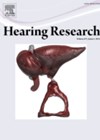
An understandable backup
This small study comparing the auditory temporal processing of seven younger adults with that of seven older adults does not show anything breathtakingly new in its conclusions. After the assessment to rule out compounding factors such as middle ear pathology,...
It is all so COSI…
Something which we have realised for a long time in the UK is the importance of the clinician in the assessment and long-term adoption of hearing aids. This common sense article outlines the need for more individualised patient pathways, thinking...
The nice therapist effect: does the therapeutic relationship matter?
Quality of relationships is considered a core component of all speech and language therapy work, yet there is little agreement of what constitutes a therapeutic relationship. This study describes a scoping review to map existing evidence that has investigated this...
Day case orthognathic surgery
This paper analyses whether patient safety is maintained when orthognathic surgery is performed as an outpatient. This Swedish paper reviewed 165 patients, 107 of whom were to have what was termed outpatient care, and of which 101 (94%) were able...
Factors associated with laryngopharyngeal reflux
This Chinese cross-sectional survey across three hospitals and 320 patients looked at the effect of unhealthy lifestyles and eating habits, as well as psychological difficulties, on the development of laryngopharyngeal reflux (LPR). All the participants underwent gastroscopy, laryngoscopy and various...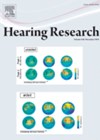
Be mindful of exposure
This is a topic which has been highlighted before in the Hearing Research series, as the evidence base regarding the specific impact of acoustic trauma on the auditory system has been expanding regularly in the last few years. This particular...
How to increase uptake of hearing screening in primary care
Untreated hearing loss leads to an increased risk of dementia and depression. There is currently little evidence to support the benefits of hearing screening in asymptomatic older adults. The main aim of the study was to compare three hearing screening...
Pre-habilitation in head and neck cancer – a literature review to guide best practice
Curative treatment of head and neck cancer (HNC) often requires surgery; however, outcomes are impacted by the complexity of the surgery and the patient population. Increasingly ‘Enhanced Recovery After Surgery’ (ERAS) protocols are being used to maximise patient outcomes and...
Is GERD linked to CRS?
We are all well aware that both chronic rhinosinusitis and reflux are prevalent in our populations. This meta-analysis looked at 25 studies investigating the association between GERD, LPR and CRS, therefore evaluating more than 117,000 patients. The results are fascinating...


