You searched for "preoperative"
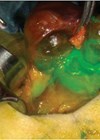
ICG in ENT surgery
The use of fluorescence imaging is well established in the medical sphere, forming an essential arm of medical diagnostics with liver function, ophthalmic angiography, and assessment in cell biology with fluorescence microscopy. Fluorescence imaging in surgery, however, is an evolving...All set for CI2026
An interview with Professor Henryk Skarzynski, the President of the 18th International Conference on Cochlear Implants and other Implantable Technologies. Professor Henryk Skarzynski. What makes CI2026 different to previous CI meetings? CI2026 is one of the most important and prestigious...Health related quality of life measures as outcome parameters in middle ear diseases
Surely the only outcome needed for post-surgical ears is a better PTA? Marcus Neudert argues there should be more to it than that. To draw a comprehensive picture of the disease-associated restrictions in patients with chronic otitis media, audiometric outcome...
Safety factors in use of balloon tuboplasty
Various medications used to restore eustachian tube function have unpredictable results and these are often disappointing. Balloon dilatation of eustachian tube came around 2010 but has not really gained momentum, mainly due to apprehended complications. In this review article, the...Acupuncture for tonsillectomy pain in children
The challenge: tonsillectomy pain Tonsillectomy is a uniform surgical insult which results in a 10-day recovery for children. Severe pain can occur which can give rise to poor oral fluid intake, dehydration and potentially the need for intravenous fluid resuscitation....
Navigate me there, to my new CAT
Transcanal endoscopic ear surgery (TEES) has gained momentum with its close-up high definition wide-angled views. Skeptics point out single-handed operating in a 2D view. The authors made use of navigation and augmented reality (AR) to present an additional minimal access...Temporoparietal fascia flap for blind sac closure
Chronic ear disease can be challenging to manage and difficult for patients to live with. In this article, the authors describe their technique for otomastoid obliteration and blind sac closure of the external canal allowing for a more tolerable situation...Simulation: human factors scenario training
It is said that surgical training has suffered as a result of a combination of factors – through the introduction of work time restrictions such as the European Working Time Directive (EWTD) [1], a limit on the number of years...
Cochlear implantation techniques
This issue concentrates on the advancement in techniques within the field of implant otology starting with cochlear implantation. Here it is sub-divided into indications, candidacy (including full pre-operative testing and investigations), surgical technique and outcomes for both adults and children....