
You searched for "flaps"

2217 results found

Cochlear implantation and identity in Deaf families

Cochlear implants are one of ENT’s great success stories. But for some families, the decision to implant is far more complex than audiology alone. When we talk about cochlear implantation, we often lead with the science. Candidacy criteria, age at...

Securing the future of ENT in the UK

A career in otolaryngology is fascinating, fulfilling and fun, but how do we convince our potential successors? Jay Doshi, Asad Qayyum, Bradley Storey and Tom Milner outline the fantastic efforts to showcase ENT throughout the UK. Student and foundation doctors...

Systemic agents in thyroid cancer

For those patients who have disseminated or unresectable thyroid cancer, Dr Arabella Hunt and Dr Kate Newbold review systemic treatments, their differences, toxicities and outcomes. Thyroid cancer is the most common endocrine malignancy. It is subdivided into differentiated (papillary, follicular...

Temporal bone trauma

Introduction Temporal bone injuries represent one of the more complex management problems presenting to the otolaryngologist. This is largely due to difficulties in assessment and the frequent delays in referral, often as a result of other injuries demanding more immediate...


Virtual chromoendoscopy (VCE)

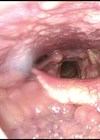
‘That’s a funny looking lesion on the larynx, it’s probably benign, but I should take a biopsy.’ Liz Ross and Ajith George discuss whether virtual chromoendoscopy will change this thought process. What are the origins and ENT applications? Traditional chromoendoscopy...

What’s in a name?

Kate Granger is a doctor and the founder of the #hellomynameis campaign; she is also a cancer patient. In this article she explains why she started the campaign, and why patient-centred care starts with an introduction. Chris and me the...

Exploring teenagers’ access and use of assistive hearing technology

Children require good signal-to-noise ratios for optimum listening and learning. The use of remote microphone technology can be of benefit, yet older children often resist using it. Jennifer Groth reviews the challenges facing older children in the use of remote...

Pathways for becoming an audiologist in the USA Part 1: the early years

Part 2 of this topic is available here. The Doctor of Audiology degree is required for clinical practice in the USA. In part one of a two-part series, Professor Hall reviews the evolution of academic credentialing for American audiologists, beginning...

What’s new in auditory processing?

Auditory processing disorder (APD) has had a controversial history, stemming mainly from lack of scientific rigor and accepted clinical definition. That situation is now changing. Driven by the huge number of people with unaddressed listening difficulties, basic discoveries in neuroscience,...

Targeted CMV screening and hearing management of children with congenital cytomegalovirus infection

Congenital cytomegalovirus (cCMV) infection is a common congenital infection and is the leading infectious cause of sensorineural hearing loss (SNHL) in children. Prof Karen Fowler discusses current research and the exciting future of screening for cCMV in newborns. Figure 1....

Physiological mechanisms of hyperacusis: an update

Hyperacusis is a heterogeneous and complex clinical entity, and proposals about physiological mechanisms should reflect these issues. Ben Auerbach helps us navigate through present knowledge in this area, and proposes future directions for research. Hyperacusis is a debilitating hearing disorder...

Internet-based cognitive behavioural therapy for adults with tinnitus

Tinnitus remains one of the most prevalent and distressing audiological symptoms. Although specialist tinnitus services are in high demand, geographical and service constraints result in limited access to these services. Internet-based cognitive behavioural therapy (ICBT) has been developed to provide...
